Does Your Small Local Business Need a Website in 2026?

Some of the links on this website are affiliate links. This means a commission may be earned if you click through and make a purchase, at no extra cost to you.
If you run a small, local business, you might wonder whether having a website still matters in 2026.
After all, people can find you on Google Maps, leave reviews, or message you directly through your Google Business Profile or social media.
So why bother with a website at all?
The truth is, while you can get by without one, a well-built website still makes a big difference — especially if you want to attract steady customers, appear trustworthy, and rank well in local search results.
What’s changed since a few years ago
Five or ten years ago, every business was told they “must have a website” or they wouldn’t be taken seriously. Now things are a bit different. Google Business Profiles, Facebook pages, and Instagram shops all make it possible to run a small business online without owning a site.
But that also means you’re building your reputation on platforms you don’t control.
One algorithm change or policy update could limit how easily people find or contact you.
A website gives you a permanent home that you own, and that won’t suddenly disappear because of someone else’s rules.
Why a website still matters for local businesses
1. It builds trust
When people search for your business name, a professional website makes you look legitimate. Even if they found you through Google Maps or social media, most customers will still click through to your site before deciding to buy or book your services.
2. It helps you rank higher
Your website supports your Google Business Profile. When both are well-optimised and connected, it strengthens your local SEO. Google looks for consistent business details, backlinks, and clear service pages to decide who deserves to appear in local results.
3. It gives you control
Social platforms come and go, but your website is yours. You can decide how it looks, what it says, and how visitors interact with it — without relying on algorithms or ads.
4. It works as your online hub
Your website can link to your social media, booking system, reviews, and contact options. Think of it as your digital headquarters — where everything else connects.
What kind of website do you really need?
Not every business needs a big, fancy site. For many local businesses, a simple one-page website or small brochure-style site is enough.
The key is to include:
- A clear description of what you do
- Your main services and prices (if relevant)
- Your business location and service area
- Real photos of your work or team
- Easy contact options (phone, form, or WhatsApp link)
- A link to your Google reviews
That’s it. You don’t need to spend thousands — just something simple, fast, and trustworthy.
When a website might not be essential
If you run a small local business that relies purely on walk-ins or word-of-mouth — like a local café, barber, or village shop — and your Google Business Profile is well maintained, you might manage fine without one.
But you’ll always be at the mercy of Google’s layout changes or competitors who do have websites and therefore rank higher.
Still, how much that matters can depend on who your customers are.
Do customers still expect businesses to have websites?
It depends who you ask. Perceptions have definitely shifted over the last few years, especially across different age groups.
Younger people — often under 35 — are used to finding businesses through social media or Google Maps. They might follow a café on Instagram, message a hairdresser on Facebook, or check opening hours straight from a Google listing.
Many see a website as optional, or even unnecessary, if they can get the info they need quickly.
People in their 40s and 50s tend to expect both. They’ll happily use Google or Facebook to find you, but they also want to see a proper website before committing. It gives them confidence that you’re established, and it’s often where they’ll check prices, testimonials, and service details.
Older generations usually trust a website the most. They’re less likely to rely on social platforms for business info, and more likely to search directly on Google or type your business name into a browser.
The takeaway? Each generation looks for businesses in a slightly different way, but a simple, well-built website still brings everyone together. It gives younger customers the quick details they want, and older customers the reassurance they need.
Our take
We think every serious local business still benefits from having a website. It’s the foundation of your online presence — something solid that all your other digital platforms point back to.
Even if you start small, your website can grow with your business. It’s a place where you can add testimonials, service updates, blog posts, and all the details that make your business stand out locally.
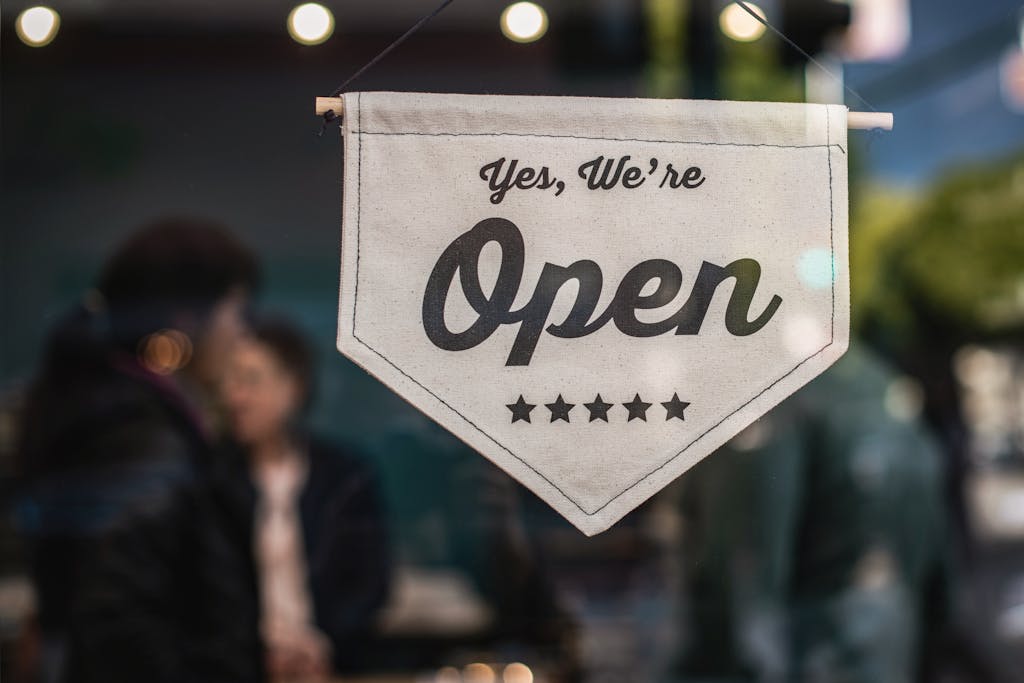
Featured image by Tim Mossholder via Pexels
